Everything You Should Know About Custom Coil Notebook Personalization
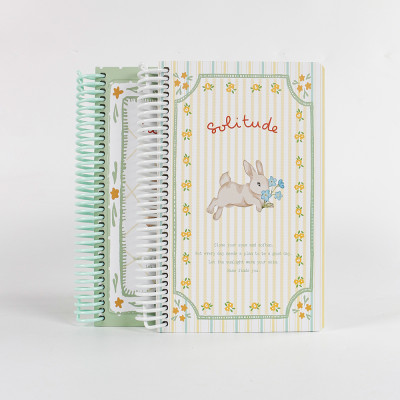
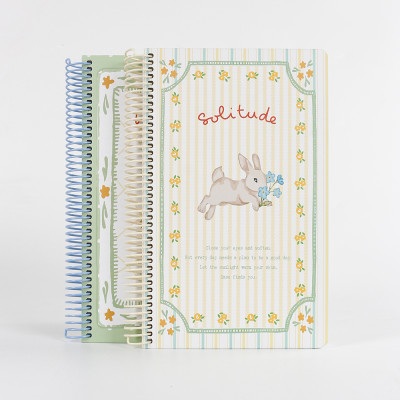
I am here to guide you through everything you should know about customizing and creating your very own custom coil notebooks. The market for personalized stationery is booming, and custom coil notebooks offer a fantastic opportunity to bring your unique ideas to life, whether for personal use or a new business. Let's dive into how you can design, produce, and even sell these unique, personalized journals.
Key Takeaways
This guide provides a comprehensive roadmap for creating and selling custom coil notebooks. Here are the essential points you will learn:
- Understanding "Fully Custom": We'll explore how true customization goes far beyond the cover. It involves selecting paper types, designing inner page layouts (lined, dotted, grid, or completely unique templates), choosing coil materials and colors, and adding functional accessories like pockets and dividers. This deep level of personalization is what creates a unique product and sets a brand apart.
- Design and Styling: You'll discover how to craft a compelling vision for your notebooks. This section covers exploring diverse aesthetic styles, from minimalist to maximalist, and creating practical yet beautiful layouts for different needs like planners, journals, or sketchbooks. We will also review the essential design tools, from professional-grade software like Adobe InDesign to user-friendly platforms like Canva, and discuss technical requirements such as bleed, margins, and color modes (CMYK).
- Manufacturing and Production: Learn the ins and outs of bringing your design to life. We will compare different manufacturing options, including local printers, overseas suppliers, and print-on-demand (POD) services, helping you choose the right partner based on your business model and volume. You'll also gain a clear understanding of various binding options, such as metal Wire-O, plastic coils, and the elegant half-hidden wire binding, to make informed decisions about your product's durability and aesthetic.
- Launching Your Business: Finally, we'll walk through the steps to get your custom coil notebooks into the hands of customers. This includes selecting the best e-commerce platform for your needs, such as Shopify for brand control or Etsy for its built-in marketplace. We will also cover the logistics of shipping and fulfillment to ensure your products arrive safely and professionally, along with effective marketing strategies to build your brand and drive sales in the competitive stationery market.
Mastering Custom Coil Notebook Personalization: What Does "Fully Custom" Mean?
The term "custom" is used widely, but in the world of coil notebooks, it represents a spectrum of possibilities. At one end, you have simple personalization, like adding a name to a pre-designed cover. At the other end is "fully custom"—a holistic approach where every element of the notebook is open to your creative direction. This deep level of personalization allows you to create a product that is not just aesthetically pleasing but also perfectly tailored to a specific function or user, transforming a simple notebook into an indispensable tool. Understanding the depth of what "fully custom" entails is the first step toward creating a truly unique and valuable product.
Designing Beyond the Cover for Your Custom Coil Notebooks
When you move beyond a simple logo on the cover, you unlock the true potential of a custom coil notebook. "Fully custom" means treating the interior pages not as an afterthought, but as a primary feature. The versatility of a personalized notebook allows it to be anything from a travel diary to a fitness log or a bullet journal. This is where your product can truly shine and meet the specific needs of your audience.
Here are the key interior elements you can customize:
- Page Layout: This is the most impactful customization. While standard options are readily available, creating your own layouts is what sets a custom notebook apart.
- Standard Layouts: Most manufacturers offer lined, dot grid, graph/grid, and blank pages. Lined pages are classic for note-taking, while dot grids have become incredibly popular for bullet journaling, offering structure without being restrictive.
- Custom Templates: This is where you can get creative. You can design weekly, monthly, or daily planner pages, habit trackers, recipe cards, budget worksheets, or project management templates. Some notebooks even combine different page types, allowing users to switch between formats as needed.
- Paper Quality: The feel of the paper is a crucial part of the user experience. Key considerations include:
- Weight (GSM): Paper weight, measured in grams per square meter (GSM), affects its thickness and opacity. A standard notebook might use 54 GSM paper, while a premium diary or sketchbook would benefit from 70 GSM or higher to prevent ink from bleeding through.
- Color and Finish: While off-white and white are standard, you can explore other colors. The finish (coated or uncoated) also impacts how pens and markers interact with the page.
- Branding and Page Details: Even small details can elevate the design. Consider adding a subtle logo to the bottom of each page, custom page numbers, or unique headers and footers that align with the notebook's theme.
- Additional Functionality: A truly custom notebook can also include special sections or features. You might add perforated tear-out sections, a pocket inside the cover for business cards or receipts, or printed dividers to separate sections.
By thoughtfully designing the interior, you create a tool that not only inspires creativity and boosts productivity but also feels intentional and purpose-built for the end-user.
The Competitive Advantage of Deep Personalization in Custom Coil Notebooks
In a crowded marketplace flooded with generic products, deep personalization offers a powerful competitive advantage. The global personalized stationery market is projected to grow significantly, with one report expecting it to reach $45.8 billion by 2033, indicating a strong consumer desire for unique products. When you move beyond surface-level changes and allow customers to tailor a notebook to their precise needs, you're no longer just selling a product; you're offering a bespoke solution. This creates value in several key ways.
1. Differentiation and Brand Identity Offering deep customization is a strategic move that immediately sets your brand apart. Instead of competing on price with mass-produced notebooks, you compete on value and uniqueness. This allows you to carve out a niche and build a strong brand identity centered on quality, creativity, and customer-centricity. A business that offers this level of detail can become known as a destination for truly one-of-a-kind stationery.
2. Enhanced Customer Loyalty and Engagement When customers invest time in creating a product, they develop a stronger emotional connection to it. This "co-creation" process fosters a sense of ownership and pride. Research shows that 80% of consumers are more likely to buy from a brand that provides a personalized experience. This positive experience leads to higher customer satisfaction, increased loyalty, and a greater likelihood of repeat business and word-of-mouth referrals.
3. Justification for Premium Pricing Customization allows for premium pricing opportunities. Customers understand that a tailor-made item requires more effort and resources to produce than an off-the-shelf one. They are often willing to pay more for a product that perfectly fits their needs, whether it's a planner with a specific layout or a journal with high-quality paper that doesn't bleed. This can lead to increased profit margins.
4. Targeting Niche Markets Deep personalization enables you to cater to highly specific niche markets that are underserved by mass-market products. Consider these examples:
- Professionals: Lawyers needing case note templates, software developers wanting code-and-comment page layouts, or doctors needing patient log formats.
- Hobbyists: Gardeners with plant-tracking pages, musicians with staff and blank notation pages, or tabletop gamers with character sheet templates.
- Students: Students in specific fields needing templates for formulas, diagrams, or language vocabulary.
By creating notebooks for these distinct groups, you tap into passionate communities actively searching for tools that support their work and hobbies. This strategy can turn your business into the go-to provider for specialized stationery.
5. Valuable Customer Insights The choices customers make during the customization process provide invaluable data. By tracking which layouts are most popular, what paper types are preferred, and which cover designs sell best, you gain direct insight into customer preferences and market trends. This data can inform future product development, marketing strategies, and inventory management, creating a virtuous cycle of improvement and innovation.
In essence, deep personalization transforms a simple notebook into a powerful tool for self-expression, productivity, and branding, giving your business a distinct and sustainable edge.
Crafting Your Vision: Design and Style for Custom Coil Notebooks
The design phase is where your custom coil notebook begins to take shape, transforming from a concept into a tangible vision. This is the most creative stage of the process, where you define the notebook's identity, purpose, and appeal. A well-considered design is crucial—it's what will capture your customers' attention and ultimately convince them that your notebook is the perfect fit for their needs. From the overall aesthetic to the minute details of the layout, every choice contributes to the final product's look, feel, and functionality.
Exploring Diverse Styles and Layouts for Custom Coil Notebooks
Choosing the right style and layout is about balancing aesthetics with functionality. Your design should not only look appealing but also serve a clear purpose for the user. Exploring a range of styles and understanding the strengths of different page layouts is key to creating a notebook that people will love to use.
Exploring Aesthetic Styles
The visual style of your notebook is its first impression. It sets the tone and attracts your target audience. Consider these popular aesthetics:
- Minimalist: Characterized by clean lines, simple typography, and a neutral color palette. This style conveys professionalism and sophistication.
- Bohemian/Artistic: Features hand-drawn illustrations, whimsical patterns, vibrant colors, and creative fonts. Perfect for journals, diaries, and sketchbooks.
- Vintage/Retro: Uses aged paper textures, classic fonts, and illustrations reminiscent of a specific era. This can evoke a sense of nostalgia and timelessness.
- Corporate/Professional: Emphasizes brand consistency with logos, company color schemes, and clean, functional layouts.
- Kawaii/Cute: Incorporates charming illustrations, pastel colors, and playful designs, often popular for personal planners and journals.
Understanding Page Layouts
The internal layout determines how the notebook is used. The right choice can dramatically improve a user's productivity and creative flow.
| Layout Type | Description | Best For | Pros | Cons |
|---|---|---|---|---|
| Lined | The classic notebook style with horizontal lines. | Long-form writing, journaling, note-taking, making lists. | Keeps handwriting neat and organized; very familiar to most users. | Restrictive for drawing or creating diagrams; lines can be visually distracting. |
| Dot Grid | Pages covered in a grid of subtle dots. | Bullet journaling (BuJo), planners, creative note-taking, sketching. | Highly versatile; provides guidance without the rigidity of lines; great for combining text and visuals. | Can be less structured than lines for pure writing; requires more effort to create layouts. |
| Grid/Graph | Pages feature a full grid of squares. | Technical drawings, architectural sketches, mathematical work, design layouts, habit trackers. | Excellent for precision and scale; provides strong structure for charts and tables. | The grid can be visually busy and distracting for casual writing or drawing. |
| Blank | Completely empty pages without any guides. | Sketching, drawing, painting, mind-mapping, free-form journaling. | Offers complete creative freedom; no lines or dots to interfere with visuals. | Can be difficult to keep handwriting straight; lacks structure for organization. |
| Hybrid | Combines different layouts within one notebook. | Multi-purpose use, detailed planning. | Caters to various needs in one product; for example, monthly calendar grids followed by weekly lined pages. | Can be complex to design; may not suit users who prefer a single, consistent format. |
Ultimately, the best approach is to align the aesthetic style and page layout with the intended purpose of the notebook. A minimalist design with a dot grid layout might be perfect for a productivity-focused bullet journal, while a bohemian-style cover with blank pages would be ideal for an artist's sketchbook. By understanding these options, you can design a product that is both beautiful and highly functional.
Creating Unique Covers and Inner Pages for Your Custom Coil Notebooks
Creating standout covers and functional inner pages requires a blend of artistic vision and technical knowledge. These elements work together to form a cohesive product that is both beautiful to look at and a joy to use.
Designing Impactful Covers
The cover is your notebook's first handshake. It needs to be compelling enough to make someone pick it up. Here are key areas to focus on:
Material and Texture: The feel of the cover adds a tactile dimension to your design.
- Hardcover (Paperboard/Cardstock): Offers durability and a premium feel. It's a great canvas for printing and special finishes.
- Softcover: More flexible and lightweight, often used for more casual or portable notebooks.
- Leather/Faux Leather: Provides a sophisticated, classic look that is durable and timeless. Faux leather is a more economical and eco-friendly alternative.
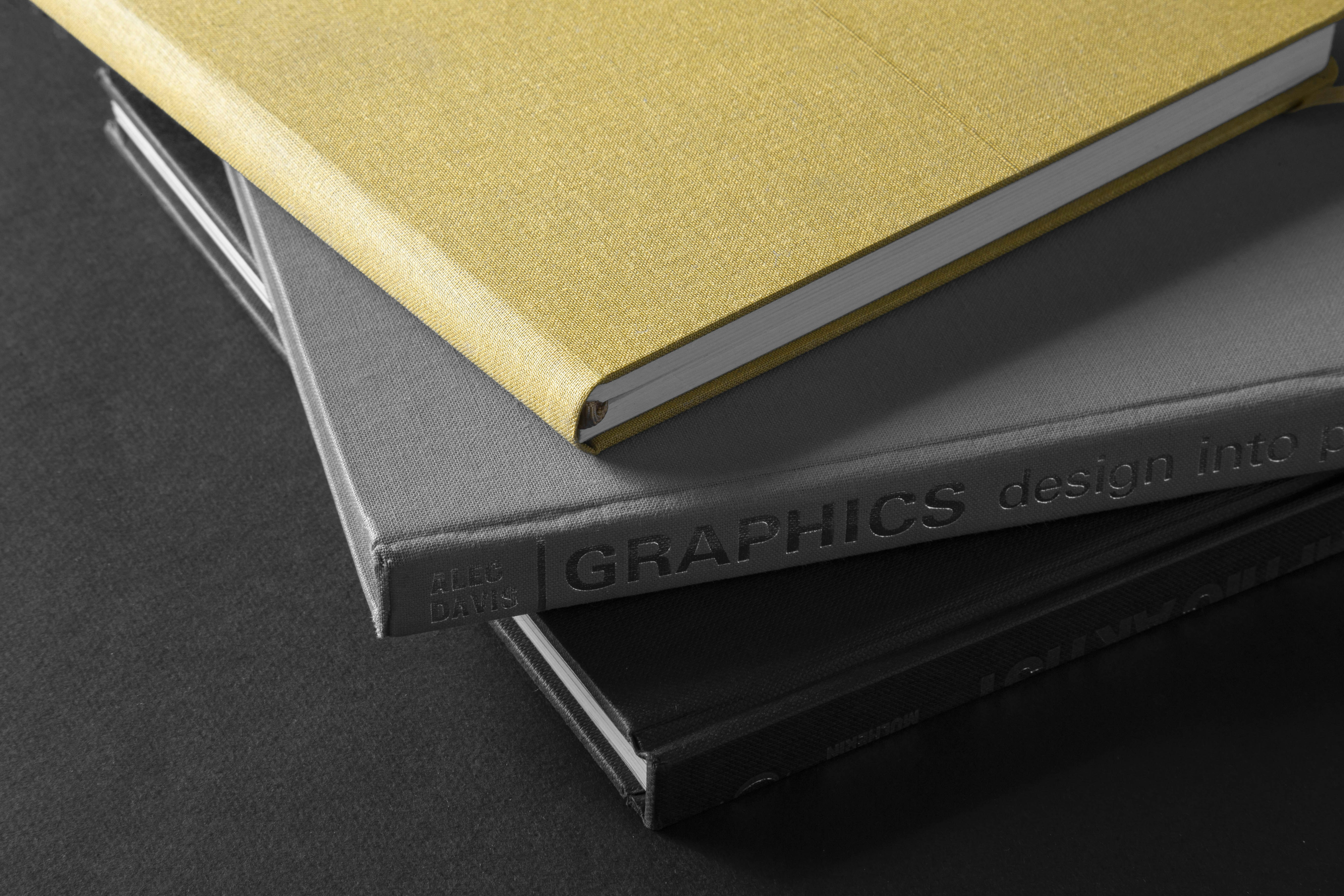
- Fabric (Cotton, Linen): Adds warmth and a unique texture, perfect for artisanal or cozy designs.
Finishes and Embellishments: Special finishes can elevate a simple design into a luxury item.
- Foil Stamping: This process uses heat and a metal die to apply a thin layer of metallic or pigmented foil to the cover. It's perfect for adding a touch of elegance to titles, logos, or design accents in gold, silver, copper, or other colors.
- Embossing/Debossing: Embossing raises elements of the design for a 3D effect, while debossing presses them into the cover for a subtler, ingrained look. Combining foil with embossing creates a striking, tactile effect.
- Lamination: A thin protective film is applied to the cover. Gloss lamination gives a shiny, smooth appearance, while matte lamination creates a soft, velvety texture.
- Spot UV: Applying a glossy varnish to specific parts of a matte cover can create a beautiful contrast and draw attention to certain design elements.
Crafting Functional and Beautiful Inner Pages
The inner pages are the heart of the notebook. Their design should be intentional, enhancing usability without creating clutter.
- Typography: Choose fonts that are legible and match the notebook's overall aesthetic. Use a clear hierarchy for headings, subheadings, and body text to guide the user's eye.
- Margination and Bleed: These technical aspects are crucial for professional printing.
- Margins: Leave adequate space around the edges of the page to ensure no content is cut off during trimming or hidden by the coil binding.
- Bleed: If your design extends to the very edge of the page, it must be designed with a "bleed." This means extending the design beyond the final trim line, so there are no accidental white borders after the paper is cut.
- Color Mode (RGB vs. CMYK): This is a critical technical detail. Digital screens display colors using the RGB (Red, Green, Blue) model, which is created with light. Printers use the CMYK (Cyan, Magenta, Yellow, Key/Black) model, which is created with ink. RGB has a wider color gamut, meaning some bright, vibrant colors seen on screen cannot be perfectly reproduced with ink. To ensure color accuracy, always design your files in CMYK mode for printing; otherwise, the printer will convert it, which can lead to dull or unexpected color shifts.
- Layout Consistency: Maintain a consistent style throughout the notebook. Use recurring elements like custom page numbers, a small logo, or thematic illustrations to create a cohesive and branded experience. For planners, ensuring that weekly or monthly layouts are consistent is key to usability.
By paying close attention to these details, you can create a custom coil notebook that is not only visually stunning but also thoughtfully designed from cover to cover.
Tools and Resources for Custom Coil Notebook Design
Bringing your notebook vision to life requires the right set of tools. Fortunately, there's a wide range of software and resources available, catering to every skill level and budget, from professional designers to DIY hobbyists.
Comparison of Design Software
Choosing the right software depends on your design complexity, experience level, and budget.
| Software | Best For | Skill Level | Cost | Key Features & Considerations |
|---|---|---|---|---|
| Adobe InDesign | Professional, multi-page layouts (planners, journals), precise typography, print-ready files. | Intermediate to Advanced | Subscription-based | Industry standard for print; excellent control over master pages, styles, bleed, and CMYK color management. Has a steep learning curve but offers unmatched power. |
| Affinity Publisher | A powerful, budget-friendly alternative to InDesign. | Intermediate | One-time purchase | Offers many professional features like master pages and print-ready PDF export. A great investment for those who find Adobe's subscription model too costly. |
| Canva | User-friendly cover design, simple inner page layouts, social media mockups. | Beginner | Free & Pro versions | Extremely intuitive with thousands of templates and design elements. Ideal for creating covers and basic layouts quickly. You can design a planner from scratch or modify existing templates. Be mindful that for commercial use, you must heavily modify templates. |
| Inkscape | Free vector graphics, logo design. | Beginner to Intermediate | Free (Open Source) | A powerful free alternative to Adobe Illustrator, perfect for creating scalable logos and custom illustrations for your notebook cover or pages. |
| Procreate (iPad) | Digital illustration, hand-lettering for covers and page elements. | Beginner to Advanced | One-time purchase | An excellent tool for artists who want to incorporate hand-drawn elements into their designs. Export files to use in layout software. |
Resources for Design Elements
You don't have to create every single design element from scratch. Leveraging free and premium resources can save time and elevate your design.
Fonts:
- Google Fonts: A massive library of free, high-quality fonts cleared for commercial use.
- Font Squirrel: Another great source for free, hand-picked commercial-use fonts.
- Creative Market / MyFonts: Marketplaces for purchasing premium, unique fonts to give your brand a distinctive look.
Images and Illustrations:
- Unsplash & Pexels: Offer vast collections of high-quality, royalty-free photos.
- Vecteezy: Provides a mix of free and premium vector art, perfect for icons and simple illustrations.
- Freepik: A good resource for vectors, PSD files, and photos, with both free and premium options.
- Etsy: A marketplace to purchase unique illustrations, digital papers, and graphic elements directly from artists.
DIY Customization Tools
For crafters and small-scale sellers, physical customization tools offer a hands-on approach.
- Cricut & Silhouette Machines: These digital cutting machines are incredibly versatile. You can use them to:
- Cut intricate designs from adhesive vinyl to apply to notebook covers.
- Use heat-transfer vinyl (HTV) with an EasyPress to create durable, professional-looking cover designs.
- Create custom sticker sheets to include with your notebooks. Many tutorials and free SVG files are available online to help you get started with customizing notebooks using a Cricut.
Whether you're a professional designer using Adobe InDesign or a hobbyist creating unique covers with a Cricut, these tools and resources provide everything you need to design a beautiful and functional custom coil notebook.
From Concept to Creation: Manufacturing Your Custom Coil Notebooks
With your design finalized, the next exciting phase is bringing your custom coil notebook to life. The manufacturing process turns your digital files into a physical product that customers can hold and use. Making the right choices during this stage is critical to ensure the final product matches your vision in terms of quality, cost, and functionality. Key decisions include selecting a suitable manufacturing partner, understanding the different binding options available, and even exploring DIY methods for smaller, more artisanal batches. This step bridges the gap between your creative idea and a market-ready product.
Selecting the Right Manufacturer for Your Custom Coil Notebooks
Finding the right manufacturing partner is one of the most critical decisions you'll make. This choice impacts your product's quality, cost, and delivery timeline. There are three primary avenues to explore: Print-on-Demand (POD) services, local printers, and overseas manufacturers.
1. Print-on-Demand (POD) Services
Print-on-demand companies like Printful, Printify, and Lulu xPress handle printing and shipping for you as orders come in. You connect your online store to their platform, and they fulfill orders automatically.
- Pros:
- No Minimum Order Quantity (MOQ): You can sell one notebook at a time without any upfront investment in inventory.
- Low Risk: Ideal for testing new designs and market demand without financial commitment.
- Hands-Off Fulfillment: They manage the entire production and shipping process.
- Cons:
- Higher Cost Per Unit: Profit margins are significantly lower compared to bulk manufacturing.
- Limited Customization: You are generally restricted to the specific notebook types, paper, and binding options offered in their catalog.
- Less Quality Control: You rely on the POD provider's quality standards, which can sometimes be inconsistent.
2. Local Printers
Working with a domestic printing press in your own country offers a balance of control and convenience. These can range from small local shops to larger national companies.
- Pros:
- Easier Communication: No language barriers or major time zone differences.
- Faster Turnaround Times: Production and shipping are much quicker than with overseas options.
- Better Quality Control: It's often possible to visit the facility, approve proofs in person, and build a strong working relationship.
- Cons:
- Higher Production Costs: Labor and material costs are typically higher than overseas.
- Minimum Order Quantities (MOQs): You'll likely need to commit to a bulk order, though MOQs may be lower than with larger overseas factories.
3. Overseas Manufacturers
Platforms like Alibaba connect you with factories in countries like China, which are known for large-scale production.
- Pros:
- Lowest Cost Per Unit: Bulk orders can be extremely cost-effective, leading to higher profit margins.
- Extensive Customization: These factories can often accommodate highly specific and complex design requests.
- Cons:
- High MOQs: Minimum order quantities can be in the thousands, requiring a significant upfront investment.
- Communication Challenges: Language barriers and cultural differences can lead to misunderstandings.
- Long Lead Times: Production and international shipping can take months.
- Quality Risk: It is crucial to thoroughly vet suppliers and always get samples, as quality can vary dramatically.
Key Questions to Ask a Potential Manufacturer
No matter which path you choose, asking the right questions is vital. A good partner will be transparent and willing to work with you.
- What is your Minimum Order Quantity (MOQ)? This is the first and most important question to determine if they are a fit for your business scale.
- Can you provide a physical sample of my notebook before a full production run? Never skip this step. A digital proof is not enough. You need to feel the paper, test the cover, and see the print quality.
- What are your exact customization options? Ask about paper weight (GSM), cover materials, binding types, and special finishes (e.g., foil, embossing).
- What are your production lead times and shipping timelines? Get a clear estimate for both manufacturing and delivery, especially if ordering from overseas.
- How do you handle quality control and defects? Understand their process for ensuring consistency and their policy for replacing faulty products.
- What are the total costs? Inquire about all potential fees, including setup charges, shipping, and taxes or customs duties.
- Who are some other clients you have worked with? This can give you an idea of their experience and the quality of their work.
Choosing a manufacturer is a strategic partnership. For startups, starting with POD or a local printer can be a smart way to test the waters before scaling up to larger orders with an overseas partner.
Understanding Binding Options for Custom Coil Notebooks
The binding is a core feature of a coil notebook, influencing its durability, functionality, and overall aesthetic. Understanding the different options available will help you choose the best fit for your product's intended use and price point. All coil-style bindings share key advantages: they allow the notebook to lay completely flat and fold back on itself 360 degrees, making them excellent for writing and saving space.
Here’s a comparison of the most common coil binding types:
| Binding Type | Material | Appearance | Durability | Best For |
|---|---|---|---|---|
| Spiral/Coil Binding | Plastic | A continuous, flexible plastic coil that is screwed through the pages. Available in many colors. | Very Durable. The plastic is flexible and springs back into shape if bent. It is less likely to get crushed or permanently damaged. | Everyday notebooks, planners, school supplies, and items that need to withstand heavy use. |
| Wire-O Binding | Metal | A series of double-loop metal wires creating a "comb." Looks more professional and high-end. | Durable. Offers a sturdy binding, but the metal wires can be bent or crushed under pressure and may not return to their original shape. | Professional reports, business notebooks, presentations, high-end journals, and calendars. |
| Half-Hidden/Concealed Wire | Metal (Wire-O) | The cover is designed to wrap around and partially or fully hide the wire binding, creating a seamless spine. | Durable. The same durability as Wire-O, with the cover providing extra protection for the wire. | Premium journals and planners where a clean, book-like spine is desired without sacrificing the lay-flat function. |
In-Depth Look at Each Binding Type
1. Plastic Spiral/Coil Binding This is perhaps the most recognized form of coil binding. A continuous plastic spiral is threaded through a series of holes.
- Pros:
- Highly durable and crush-resistant, making it great for notebooks that are frequently carried in bags.
- Comes in a wide variety of colors, allowing for creative matching with your cover design.
- Often a cost-effective option.
- Cons:
- May be perceived as less professional or "premium" than metal wire.

2. Wire-O Binding (or Twin-Loop/Double-Loop Wire) Wire-O binding uses a C-shaped metal spine that is crimped into a circle to secure the pages.
- Pros:
- Provides a sleek, professional, and high-end look.
- Pages turn smoothly with perfect registration, meaning opposite pages line up exactly.
- The metal offers a premium feel and perceived value.
- Cons:
- The wire can be permanently bent or crushed if subjected to significant force.
- Can be more expensive than plastic coil binding.

3. Half-Hidden and Concealed Wire Binding This is a more advanced style where the notebook's cover is constructed to hide the wire.
- Half-Hidden: The cover wraps around the back and partially covers the spine, leaving a small section of the wire visible.
- Fully Concealed: The cover completely encloses the wire, making the notebook look like a traditional book from the outside but still allowing it to lay flat when opened.
- Pros:
- Offers the clean aesthetic of a perfect-bound book with the functionality of a wire-bound one.
- Protects the wire from being damaged.
- Allows for a printed spine, which is useful for shelving.
- Cons:
- More complex and expensive to manufacture.
- May be less common and not offered by all manufacturers.
Choosing the right binding is a balance between your budget, your target audience's expectations, and the practical demands of your notebook's purpose.
The Art of DIY Half-Hidden Wire Custom Coil Notebooks
For creators who enjoy a hands-on approach or want to produce small, highly artisanal batches, making half-hidden wire notebooks yourself can be a rewarding process. This technique provides the premium look of a concealed spine while maintaining the lay-flat functionality of a wire-o binding. While it requires an initial investment in specific tools, it offers complete control over the final product.
The Concept of Half-Hidden Wire Binding
The goal of this method is to create a hardcover notebook where the front cover wraps around the spine to meet the back cover, partially concealing the wire. This creates a clean, book-like appearance from the front while leaving the wires exposed on the back for flexibility. This technique elevates a standard wire-bound notebook into something that feels more deliberate and high-end.
Essential DIY Tools and Materials
Creating these notebooks at home requires precision and the right equipment. Here’s what you’ll typically need:
- Bookbinding Machine: This is the most crucial piece of equipment. A machine like the We R Memory Keepers Cinch is popular among crafters because it punches the correct holes and includes a wire closer to crimp the wire binding shut. These machines can be a significant initial investment but are essential for a professional result.
- Wire-O Binding Wires: Also known as twin-loop or double-loop wires, these come in various diameters to accommodate different numbers of pages.
- Chipboard: This sturdy cardboard forms the rigid structure of the hardcover. A thickness of around 1.2mm is often recommended as it's durable yet manageable for cutting and punching.
- Cover Paper: This can be high-quality printed sticker paper or decorative paper that you apply with glue. For DIY projects, printable glossy or matte vinyl sticker paper works well.
- Inner Pages: Your printed and cut-to-size notebook pages (e.g., 70-100 gsm paper).
- Basic Crafting Tools:
- A sharp craft knife or guillotine paper cutter for precise cutting of paper and chipboard.
- A bone folder for creating crisp folds in the cover paper.
- A strong adhesive, like PVA glue or double-sided tape, for assembling the cover.
- A ruler and cutting mat.

The Process at a Glance
While detailed tutorials are recommended, the basic steps involve:
- Prepare the Pages: Print and cut your inner pages to their final size.
- Construct the Cover: Cut pieces of chipboard for the front cover, back cover, and spine. Adhere them to your printed cover paper, leaving small gaps between the pieces to allow the cover to fold. Wrap the edges of the paper around the chipboard for a clean finish.
- Punch the Holes: This is the most technical step. Using a binding machine like the Cinch, you will punch holes through the back cover and the folded-over spine section of the front cover. The inner pages are also punched separately. Care must be taken to ensure all holes align perfectly.
- Assemble and Bind: Thread the wire-o binding through the holes of the back cover, then the inner pages, and finally the front cover's spine section.
- Cinch the Wire: Use the wire closer on your binding machine to press the C-shaped wire into a closed circle, securing all the pages and the cover together.
Is DIY a Viable Business Model?
- For Artisanal Sellers: The DIY approach is perfect for selling on platforms like Etsy, at craft fairs, or for creating one-of-a-kind gifts. The "handmade" quality is a significant selling point that can justify a premium price.
- For Scaling Up: This method is not efficient for large quantities. The time and labor involved in making each notebook by hand become prohibitive as order volume increases. If you plan to sell hundreds or thousands of notebooks, partnering with a manufacturer is a more practical path.
The art of DIY binding allows for unparalleled creativity and can be a fulfilling way to start your custom notebook journey, offering a unique product that can't be mass-produced.
Launching Your Business: Selling Custom Coil Notebooks
Creating a beautiful and functional notebook is only half the journey. The next step is to get it into the hands of customers. Launching a business around your custom coil notebooks involves building an online presence, figuring out the logistics of getting your product to buyers, and actively marketing your brand to the right audience. A strategic approach to these three areas—e-commerce, fulfillment, and marketing—is essential for turning your creative passion into a profitable venture. This section will guide you through the key considerations for successfully launching and growing your custom notebook brand.
Building an E-commerce Platform for Your Custom Coil Notebook Brand
Your online store is your brand's digital home. It's where customers will discover your products, learn your story, and make a purchase. Choosing the right e-commerce platform is a foundational decision that impacts everything from brand identity to profitability. The three most popular choices for selling custom products like notebooks are Shopify, Etsy, and WooCommerce.
Shopify: For Building a Standalone Brand
Shopify is a comprehensive e-commerce platform that allows you to build your own website from the ground up. It's the best option for entrepreneurs who want to create a distinct brand identity and have complete control over their business.
- Pros:
- Full Customization: You have total control over your website's design, branding, and customer experience. You can choose from hundreds of themes and even edit the code for a unique look.
- Brand Ownership: The store is yours, with your own domain name. This helps build brand loyalty, as customers remember buying from your brand, not just a marketplace.
- Scalability: Shopify is built for growth, with powerful tools for marketing, analytics, and inventory management that can support a business of any size.
- App Ecosystem: The Shopify App Store offers thousands of apps to add functionality, such as advanced product customizers that allow customers to add text, upload images, and see a live preview.
- Cons:
- You Must Drive Your Own Traffic: Unlike a marketplace, a Shopify store has no built-in audience. You are entirely responsible for marketing and bringing customers to your site.
- Monthly Subscription Fee: Shopify charges a monthly fee, which is an upfront cost before you make any sales.
Etsy: For Tapping into a Ready-Made Marketplace
Etsy is a global online marketplace focused on handmade, vintage, and creative goods. Instead of building your own website, you set up a shop within Etsy's existing platform.
- Pros:
- Built-in Audience: Etsy has millions of active buyers who are specifically searching for unique and personalized items, making it easier for new sellers to be discovered.
- Low Barrier to Entry: It's incredibly easy and cheap to start. There are no monthly fees for a standard shop, just small listing and transaction fees per sale.
- Trust and Credibility: As a well-known platform, Etsy handles payment processing and provides a level of trust that can be hard for a new, independent site to establish.
- Cons:
- Limited Branding: Your shop exists within Etsy's framework, with limited customization options for your storefront. This can make it difficult to build a strong, independent brand identity.
- High Competition: You are listed directly alongside thousands of other stationery sellers, making it harder to stand out.
- Fees Can Add Up: While there's no monthly fee, the transaction fees (6.5% of the total order amount), listing fees, and offsite ad fees can eat into your profit margins as your sales volume grows.
WooCommerce: For Flexibility on WordPress
WooCommerce is a free, open-source e-commerce plugin for WordPress. If you already have a WordPress website or want the ultimate in customization, WooCommerce is a powerful option.
- Pros:
- Complete Control: Like Shopify, you own your site and have limitless customization possibilities, but as open-source software, you can modify anything.
- No Monthly Fees: The plugin itself is free. You only pay for your web hosting, domain, and any premium extensions you choose to add.
- Large Ecosystem of Plugins: There are numerous plugins, like "Product Add-Ons," that allow you to add complex customization options to your products, such as text fields, dropdowns, and file uploads.
- Cons:
- Steeper Learning Curve: You are responsible for managing your own hosting, security, and maintenance, which requires more technical knowledge than Shopify or Etsy.
- Hidden Costs: While the core software is free, costs for hosting, themes, and premium plugins can add up.
Which Platform is Right for You?
| Feature | Shopify | Etsy | WooCommerce |
|---|---|---|---|
| Best For | Building a long-term, scalable brand. | Testing ideas and reaching a built-in audience quickly. | WordPress users who want maximum control and flexibility. |
| Ease of Use | Moderate | Very Easy | More Technical |
| Branding Control | High | Low | High |
| Fees | Monthly subscription + transaction fees. | Listing fees + higher transaction fees. | Hosting costs + optional plugin fees. |
| Traffic | Self-generated | Built-in marketplace | Self-generated |
Many sellers use a hybrid approach: they start on Etsy to validate their product ideas and build an initial customer base, then launch a Shopify store to grow their brand and increase profitability once they have proven demand.
Streamlining Shipping and Fulfillment for Custom Coil Notebooks
A great product needs an effective fulfillment strategy to ensure it reaches customers safely and professionally. This involves everything from packaging your notebooks to managing inventory and calculating shipping costs. Getting this right is crucial for customer satisfaction and your business's profitability.
Packaging Your Notebooks Securely
Proper packaging protects your notebooks from damage during transit—especially the delicate coil binding and corners—and creates a positive unboxing experience.
Essential Shipping Supplies:
- Rigid Mailers or Boxes: For single or small orders, use rigid cardboard mailers or small, well-fitting corrugated boxes. These prevent bending, which is the number one risk.
- Bubble Mailers: While convenient, these offer less protection against bending. If you use them, you must reinforce the notebook.
- Protective Wrapping: Always wrap the notebook itself before placing it in the mailer. Good options include:
- Cardboard Inserts: Place a piece of stiff cardboard on either side of the notebook to create a "sandwich" that resists bending.
- Bubble Wrap: A classic choice for cushioning. Wrapping the coil specifically can prevent it from getting snagged or crushed.
- Tissue Paper or Glassine Bags: These add a layer of protection against scratches and elevate the presentation.
- Strong Packing Tape: Securely seal all openings on your mailer or box.
- Labels: Use clear, professional shipping labels. A thermal label printer is a worthwhile investment for saving time and money on ink.
Eco-Friendly Packaging: As consumers become more environmentally conscious, sustainable packaging can be a strong brand differentiator. Consider using materials like:
- Recycled cardboard mailers
- Kraft paper for wrapping
- Biodegradable packing peanuts
- Water-activated paper tape
- Compostable poly bags for inner protection
Fulfillment Strategy: In-House vs. Third-Party Logistics (3PL)
You have two main options for handling your order fulfillment:
In-House Fulfillment: You manage the entire process yourself: storing inventory, picking and packing orders, and shipping them out.
- Pros: Complete control over quality and branding, lower costs at a small scale, and the ability to add personal touches like handwritten notes.
- Cons: Time-consuming, requires physical space for inventory and supplies, and can become overwhelming as your business grows.
Third-Party Logistics (3PL): You outsource your fulfillment to a specialized company like ShipMonk, Fulfyld, or eFulfillment Service. You ship your inventory to their warehouse, and they handle everything from storage to packing and shipping when an order comes in.
- Pros: Saves a significant amount of time, allows you to scale your business without managing physical logistics, and can offer discounted shipping rates.
- Cons: Additional cost (storage, pick-and-pack fees), less control over the final packaging and presentation, and often requires a minimum volume of orders to be cost-effective.
Calculating Shipping Costs
Accurately calculating shipping costs is essential to avoid losing money or overcharging customers. Shipping costs are primarily determined by:
- Package Weight: The actual weight of the packed notebook.
- Package Dimensions: Carriers use dimensional (DIM) weight, which is based on a package's size. If the DIM weight is higher than the actual weight, you'll be charged for the DIM weight.
- Shipping Zone: The distance the package has to travel.
- Shipping Speed: (e.g., Ground, 2-Day Air, etc.)
Strategies for Charging Customers:
- Real-Time Carrier Rates: Your e-commerce platform calculates the exact shipping cost at checkout. This is the most transparent method but can sometimes lead to high costs that deter buyers.
- Flat-Rate Shipping: Charge a single, fixed rate for all orders (or for orders within a certain weight range). This is simple and predictable for customers.
- Free Shipping: Offering free shipping (often with a minimum order value) is a powerful marketing tool. You will need to build the cost of shipping into your product prices.
For small businesses, using a shipping software platform like ShipStation can be incredibly helpful. These tools integrate with your e-commerce store, help you compare carrier rates in real-time, and print discounted postage.
Effective Marketing Strategies for Custom Coil Notebooks
Having a fantastic product is just the beginning. To turn your custom coil notebooks into a successful business, you need a smart and consistent marketing strategy to build brand awareness and drive sales. Marketing in the digital age is multifaceted, combining visual branding, content creation, and community engagement. Here are the most effective strategies for your notebook business.
1. Harness the Power of Social Media
Social media is essential for a visual product like custom notebooks. The key is to choose platforms where your target audience is most active and to create content that inspires them.
- Pinterest: This is arguably the most powerful platform for stationery businesses. Pinterest is a visual search engine where users actively look for ideas, inspiration, and products to buy.
- Strategy: Create high-quality, vertically oriented Pins for each notebook design. Showcase different layouts, cover details, and "in-use" shots (e.g., a beautifully organized planner page). Use keyword-rich descriptions and link every Pin directly to the product page on your store. Create boards for different themes like "Journaling Ideas," "Planner Inspiration," and "Productivity Hacks" to attract a broader audience.
- Instagram: Ideal for building a brand community and showcasing your brand's aesthetic.
- Strategy: Post high-quality photos and Reels of your notebooks. Show behind-the-scenes content of your design or packing process, collaborate with influencers for "unboxing" videos, and run giveaways to boost engagement. Use relevant hashtags like #customnotebook, #planneraddict, #journaling, and #stationerylove to increase discoverability.
- TikTok: Perfect for reaching a younger audience through short-form video.
- Strategy: Create satisfying "ASMR" videos of writing in your notebooks, time-lapses of you setting up a planner, or quick tutorials on how to use specific custom layouts.

2. Create Valuable Content (Content Marketing)
Content marketing establishes your brand as an authority and helps with Search Engine Optimization (SEO), making it easier for customers to find you through Google. A blog on your e-commerce site is a great way to do this.
- Blog Post Ideas:
- "How to Start a Bullet Journal: A Beginner's Guide"
- "10 Creative Ways to Use Your Custom Planner"
- "Choosing the Perfect Notebook: Lined vs. Dotted vs. Grid"
- "The Benefits of Daily Journaling for Mental Health"
By creating helpful content related to your products, you attract potential customers who are already interested in journaling and planning.
3. Optimize for Search Engines (SEO)
SEO is the process of optimizing your online store to rank higher in search engine results. This is crucial for driving organic (free) traffic to your site.
- Keyword Research: Use tools like Google Keyword Planner to find the terms customers are searching for (e.g., "custom spiral notebook," "personalized 2026 planner").
- On-Page SEO: Include these keywords naturally in your product titles, descriptions, and image alt text.
- Technical SEO: Ensure your website is mobile-friendly and loads quickly, as these are important ranking factors.
4. Build an Email List
Email marketing is a direct and powerful way to connect with your customers. Unlike social media, you own your email list and aren't subject to changing algorithms.
- Strategy: Offer a "lead magnet" to encourage sign-ups, such as a 10% discount on their first order or a free printable download (like a weekly planner page). Once you have subscribers, send them newsletters with new product announcements, special promotions, and valuable content from your blog.
5. Collaborate and Network
- Influencer Marketing: Partner with stationery, planning, or productivity influencers on Instagram or YouTube. Sending them your product for review or an unboxing video can introduce your brand to a large, engaged audience.
- Local Partnerships: Collaborate with local businesses like coffee shops, bookstores, or co-working spaces to sell your notebooks or host workshops.
By combining these strategies, you can create a comprehensive marketing plan that not only drives initial sales but also builds a loyal community around your custom coil notebook brand.
Frequently Asked Questions (FAQ)
1. What makes a notebook "fully custom"? "Fully custom" goes beyond just a personalized cover. It means you have control over every aspect of the notebook, including the inner page layouts (e.g., daily planners, fitness trackers, or project logs), the type and weight of the paper (measured in gsm), the color and material of the coil, and additional features like internal pockets, dividers, or perforated pages.
2. What are the most popular page layouts for custom notebooks? The most popular layouts cater to different needs:
- Lined: Best for traditional writing and note-taking.
- Dot Grid: Extremely versatile and the top choice for bullet journaling, allowing for a mix of writing, drawing, and custom layouts.
- Grid (Graph): Ideal for designers, engineers, or anyone needing precision for charts, diagrams, or technical sketches.
- Blank: Perfect for artists and creatives who want complete freedom for sketching and drawing.
- Custom Planners: Weekly, monthly, and daily layouts are very popular for organization and productivity.
3. What's the difference between Spiral, Wire-O, and Plastic Coil binding? While all are "coil" bindings that allow the notebook to lay flat, they have key differences:
- Plastic Spiral/Coil: A continuous plastic coil that is very durable and crush-resistant, available in many colors.
- Wire-O (Twin-Loop): Uses a metal "comb" of double loops for a more professional and premium look, but the metal can be bent out of shape if crushed.
- Half-Hidden Wire: A premium style where the cover is designed to wrap around and partially or fully conceal the wire, offering a clean, book-like spine with lay-flat functionality.
4. Should I use a Print-on-Demand (POD) service or find a bulk manufacturer? This depends on your business goals and budget:
- Choose Print-on-Demand (POD) if you are starting out, want to test designs with zero upfront inventory cost, and don't want to handle shipping. The tradeoff is a lower profit margin per item.
- Choose a Bulk Manufacturer if you have validated product designs, are ready to invest in inventory, and want a much lower cost per item to maximize your profit margins. This requires a higher upfront investment.
5. What design software should I use to create my notebook?
- For Beginners: Canva is an excellent, user-friendly choice for creating covers and simple page layouts using its templates and drag-and-drop tools.
- For Professionals: Adobe InDesign is the industry standard for creating complex, multi-page print documents like planners and journals. It offers precise control over layout, typography, and print-ready files. Affinity Publisher is a powerful, one-time purchase alternative.
6. What are the most important things to consider when packaging notebooks for shipping? Protection against bending is the top priority. Use rigid mailers or sturdy boxes. If you use a bubble mailer, insert a piece of stiff cardboard inside to act as a brace. Wrapping the notebook in tissue paper or a clear sleeve first not only adds protection against scratches but also creates a better unboxing experience for the customer.
7. How do I effectively market my custom notebook business? A multi-channel approach works best:
- Visual Social Media: Use Pinterest and Instagram to showcase high-quality images and videos of your notebooks in use.
- Content Marketing: Start a blog with articles about journaling, planning, and productivity to attract your target audience through search engines.
- Collaborations: Partner with stationery influencers or complementary brands for shoutouts and reviews.
- Email Marketing: Build an email list by offering a discount or a freebie, and use it to announce new products and promotions directly to interested customers.
We've covered the complete journey, from understanding what "fully custom" truly means for coil notebooks to the practical steps of design, manufacturing, and bringing your product to market. I hope this guide has shown you the exciting possibilities that personalization offers in the world of custom coil notebooks. Now, it's your turn to unleash your creativity and start making your bespoke custom coil notebooks a reality